


Quick answer: To become a window tinter in South Carolina, train hands-on on real vehicles, keep practicing after class, learn the state's 27% tint limit and its certificate-of-compliance rule (S.C. Code § 56-5-5015), and set up the business side with your city or county. Tint Academy's next South Carolina class runs December 12–13, 2026 (9:00 AM–5:00 PM) at iTint & iDetail of Charleston, 5700 Dorchester Rd C5, North Charleston, SC 29418. It's a 2-day, beginner-friendly course. You earn Tint Academy Certification and keep a professional Tint Tool Kit plus a 100 ft. roll of ceramic automotive window film. Tuition is $1,500 USD, or $500 down with $1,000 due at class.
Register: South Carolina Dec 12–13 Window Tint Class
Tint Academy has trained 7,500+ students over 10 years. Here's a realistic path into the trade for Charleston and the rest of South Carolina: the work available, what good training looks like (see our window tint certification course page), the state tint rules every installer has to follow, the paperwork if you work for yourself, and how the South Carolina window tint course in North Charleston fits in. To compare every city and date, see the Tint Academy window tint course locations page.

Step 1: Decide What Kind of Tinter You Want to Be
Installer at a tint shop
Many tinters start at an existing shop, where clean prep, crease-free film handling and tight edges matter more than speed.
Adding tint to an automotive business
Tint complements detailing, ceramic coating, PPF, wraps, auto glass and dealership work, so you can offer more to customers you already have.
Running your own tint business
Tint can be mobile, shop-based or an add-on. Earnings depend on your skill, pricing, market, costs and bookings; Tint Academy does not guarantee income or employment. See our guide to starting a window tint business.
Step 2: Train Hands-On on Real Vehicles
According to the course page, you spend approximately 80% of the South Carolina course practicing: installing, cutting, shrinking, removing and finishing film with instructor guidance. Groups are kept small on purpose, so you get more time working with instructors and correcting mistakes. No experience is needed.
Day 1: foundations and side windows
Tint theory, working with customers, installation drills, framed / 2-stage and frameless roll-down windows, quarter windows, tint removal, sun strips and banners, and business fundamentals.
Day 2: rear windows and complete vehicles
More practice, hatchback and sedan rear windows, rear window tint removal, trucks and SUVs, a plotter overview, an introduction to residential film, and pricing and booking customers.
You also cover glass prep, hand cutting, heat shrinking, bottom-loading, contamination prevention and edge finishing. For a closer look at the format, read what you learn in a 2-day window tint certification course. Heat shrinking is the skill most beginners find hardest, and our guide to heat shrinking rear windshield tint is a good primer.

Step 3: Learn South Carolina's Tint Law Before You Take Paid Work
South Carolina puts duties on the installer, not only the driver. Under S.C. Code § 56-5-5015:
- 27% combined light transmission: film on the side windows to the immediate left and right of the driver, the side windows behind the driver and the rear-most window must be nonreflective, and the film plus the factory glass must let through at least 27% of light.
- Windshield: film is allowed only along the top of the windshield, no lower than the AS1 line. If there's no visible AS1 line, no film goes on the windshield.
- Colors: film may not be red, yellow or amber.
- Mirrors: if the rear-most window is tinted, the vehicle needs both a left and a right outside rearview mirror.
- Certificate of compliance on every tinted window: it must show the film's light transmission percentage, the installer's name, address and phone number, and the installation date.
South Carolina Regulation 38-621 adds that the certificate can be no larger than 2 inches square and goes between the film and the glass in the lower left corner as viewed from outside. The statute says a professional window tinter who installs film without permanently affixing the certificate, or sells non-compliant film, can be fined at least $1,000, jailed for up to 30 days, or both, for each offense. Meter the finished glass and apply a certificate to every tinted window. This is general information, not legal advice; check the full statute for vehicle-type details.
Step 4: Keep Practicing After Class
Two days won't make you a master installer; they give you correct technique, supervised practice and support to keep improving. You keep your tools and film, plus online training, lifetime mentor support, supplier access and free observation or re-attendance at eligible future sessions. If you're weighing a shop job against a course, window tint apprenticeship vs a training course lays out the trade-offs, and how long it takes to learn window tinting sets realistic timelines. For South Carolina-specific tips, see our guide to dust-free window tint installs in North Charleston and the window tint final inspection checklist.

Step 5: Set Up the Business Side If You Work for Yourself
- No statewide business license: according to South Carolina Business One Stop, South Carolina doesn't have a statewide business license. Each municipality runs its own, so check where your business is located and does its work, especially if you tint mobile.
- Register your business: the same page notes that local licensing is in addition to registering with the South Carolina Secretary of State's Office.
- Pricing and customers: the course's business training covers quoting jobs, local marketing, booking first customers, mobile tinting, dealerships and referrals.
For cost and pricing guides, see our window tint business and cost guides, including how much window tint training costs.
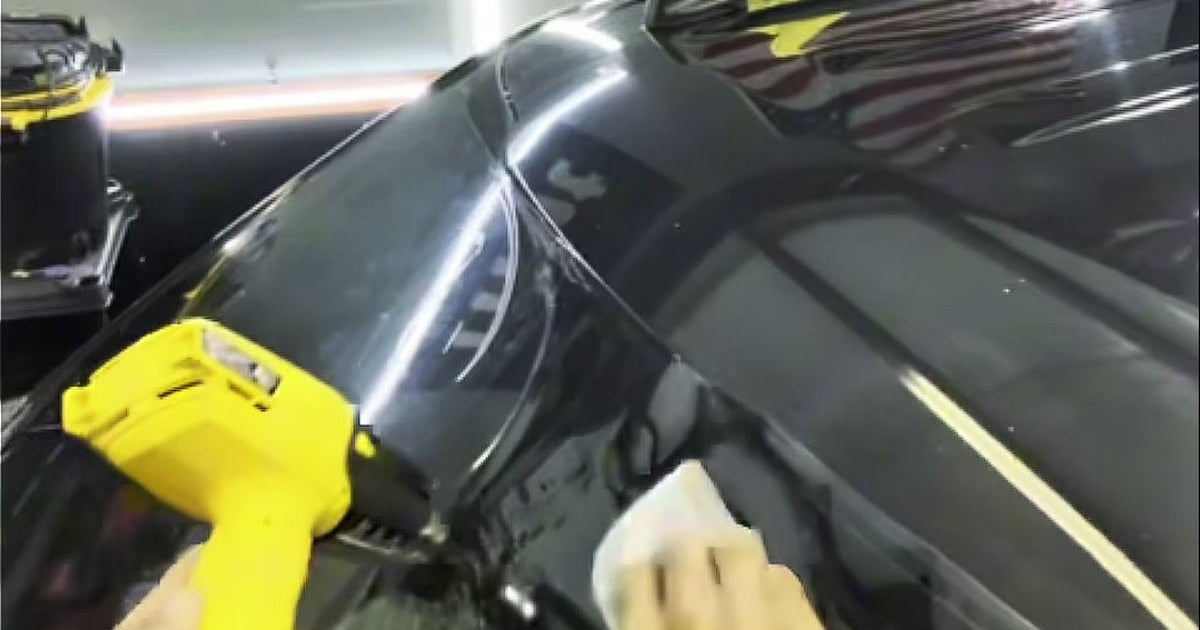
Watch: Shrinking an F-150 Windshield With PJ From iTint
In this Tint Academy video, PJ from iTint walks through shrinking window film on a Ford F-150 front windshield using Scorpion Window Film. You'll see how he controls and works the "fingers" of the film, proper heat shrinking technique and tips for handling a large piece of film.
South Carolina Window Tint Course: December 12–13, 2026
- Dates: December 12–13, 2026, 9:00 AM–5:00 PM each day
- Venue: iTint & iDetail of Charleston, 5700 Dorchester Rd C5, North Charleston, SC 29418
- Tuition: $1,500 USD total
- Deposit option: $500 today, $1,000 remaining at class
- Included: hands-on training on real vehicles, Tint Tool Kit, 100 ft. ceramic film roll, Tint Academy Certification, online course, business training and lifetime mentor support
- Experience required: none
Call or text: 321-364-9518 (USA). Tell the registration team your name and that you want the South Carolina class on December 12–13, 2026. For more details about this date, read our South Carolina window tint class guide for December 12–13, 2026.
Frequently Asked Questions
Do you need a license to tint windows in South Carolina?
The tint statute (S.C. Code § 56-5-5015) doesn't describe a separate installer license, but it requires a certificate of compliance on every tinted window. There's no statewide business license; cities, towns and counties issue their own. Tint Academy certification is a training credential, not a government license.
How dark can window tint be in South Carolina?
Film on the side windows and rear-most window must be nonreflective and, combined with the factory glass, let through at least 27% of light. Windshield film must stay above the AS1 line, and red, yellow or amber film isn't allowed. Check the statute for vehicle-type exceptions.
What is the South Carolina tint certificate of compliance?
A sticker on every tinted window showing the film's light transmission, the installer's name, address and phone number, and the install date. A professional tinter who installs without it can be fined at least $1,000, jailed up to 30 days, or both, per offense.
When is the next window tint course in South Carolina?
December 12–13, 2026, from 9:00 AM to 5:00 PM each day, at iTint & iDetail of Charleston, 5700 Dorchester Rd C5, North Charleston, SC 29418.
How much does the South Carolina window tint course cost?
Tuition is $1,500 USD total. You can also reserve your seat with a $500 deposit today and pay the remaining $1,000 at class.
Can a complete beginner take the course?
Yes. No previous tinting experience is needed. The course teaches the process from the beginning, and you keep a professional Tint Tool Kit and a 100 ft. roll of ceramic automotive window film so you can keep practicing after class.
Ready to Start Your Tint Career in South Carolina?
Register for the South Carolina Window Tint Course (Dec 12–13)
Call or text: 321-364-9518 (USA)

Share and get 15% off!
Simply share this product on one of the following social networks and you will unlock 15% off!